
6. Responding to the 19th Amendment Then and Now
 |
| SOURCE |
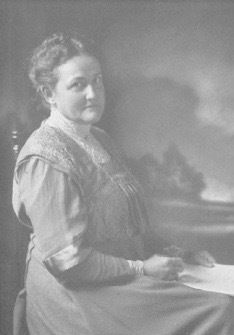
However, when the tide turned and the 19th Amendment was passed, many approached the new shift in responsibility with a sense of progressive acceptance. Elizabeth Lowell Putnam, a staunch Anti-Suffragist and leader of the Education and Organizing Committee of the Women’s Anti-Suffrage Association of Massachusetts “was elected president of the electoral college of Massachusetts, becoming the first woman to preside over a state electoral college”[1] in 1920.
The discussion of Women’s Suffrage must continue to be a complete one which includes both sides of the argument under the purview of logical examination. Without honest consideration of the formidable force that the Anti-Suffrage Movement was and the resilient women who stood behind it the conversation of women’s equality will continue to be lost in the ashes of time.
[1] "Women's Suffrage: Anti-Suffrage." Research
Guides Schlesinger Library on the History of Women in America. Accessed April
28, 2019. https://guides.library.harvard.edu/c.php?g=512561&p=3562671.